


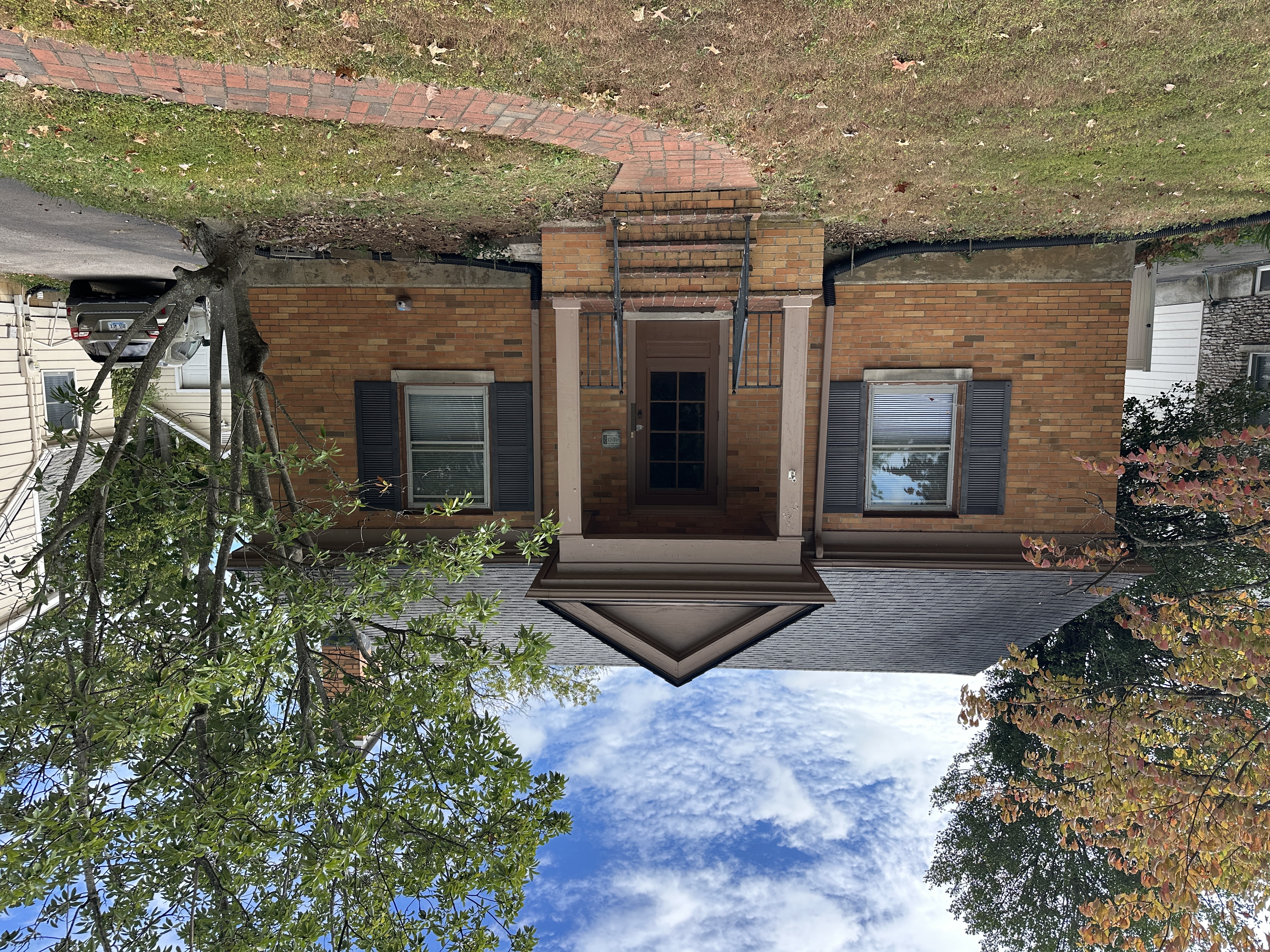
Lexington has been good to rental owners. Home values and rents have both climbed in recent years, the University of Kentucky and the city's employers keep tenant demand steady, and many owners now have real equity in properties they bought a few years ago.
The question a lot of owners ask next is how to finance the next one. For investors with more than a rental or two, or with income that's hard to document, the answer is often a DSCR loan.
What Is a DSCR Loan?
DSCR stands for debt service coverage ratio. DSCR loans are mortgage loans secured by residential real estate turnkey properties strictly used for a business purpose and underwritten primarily based on the property.
In plain terms, the lender's first question isn't "how much do you earn?" It's "can this rental carry its own payment?" Your credit and cash reserves still matter, but your tax returns and pay stubs usually take a back seat. That's a big help for self-employed owners whose write-offs lower their taxable income, and for owners who've hit conventional limits on the number of financed properties.
If you own or plan to buy in Fayette County, it helps to understand how DSCR loans work for Kentucky investors before you start shopping, so you know what a lender will look at.
How Lenders Calculate DSCR
The formula is simple:
DSCR = monthly rent ÷ monthly PITIA
PITIA is the full monthly housing payment: principal, interest, property taxes, insurance and association dues, if any. A DSCR of 1.00x means the rent exactly covers the payment. Above 1.00x, the property covers its payment with room to spare.
A Lexington Purchase Example
Say you're buying a three-bedroom home in Lexington. These figures are illustrative, and your actual payment depends on your rate and terms.
| Item | Amount |
| Purchase price | $275,000 |
| Down payment (25%) | $68,750 |
| Loan amount | $206,250 |
| Principal and interest | about $1,405/month |
| Property taxes | about $230/month |
| Insurance | about $110/month |
| HOA dues | $0 |
| Total PITIA | $1,745/month |
| Market rent | $1,850/month |
DSCR = $1,850 ÷ $1,745 = 1.06x
That clears the common 1.00x threshold, but the margin is thin. Lexington prices have risen faster than rents, so the right property and a realistic rent number matter a lot. Many programs look for 1.00x or higher, and select programs will lend below that, usually with less leverage.
Using a Cash-Out Refinance to Buy Your Next Rental
For owners who already have equity, a DSCR cash-out refinance can fund the next down payment without selling anything. Say a rental you bought years ago is now worth $300,000 and you owe $120,000.
At 75% of the value, a cash-out refinance would create a new $225,000 loan. That pays off the $120,000 balance and frees up about $105,000 before closing costs. With rent of $1,950 against a new payment of about $1,875, the DSCR is about 1.04x, so the property still carries itself.
Cash-out refinances commonly go up to 75% of the property's value, and select programs go to 80%. Some programs also require you to have owned the property for a few months first, so ask about seasoning before you plan around the timing.
What the Appraisal Checks
Two numbers drive every DSCR loan: the property's value and its rent. The appraisal sets both. The appraiser values the home against recent sales and, on a rental, typically completes a rent schedule (Fannie Mae Form 1007) estimating market rent from comparable rentals nearby.
On a refinance, the appraised value decides how much cash you can take out. On a purchase, a low value means more cash to close. Either way, a low rent estimate lowers your DSCR. It's worth reading up on how appraisals work for DSCR loans before you order one, and having your leases and rent records ready helps the appraiser and underwriter see what the property really earns.
Typical DSCR Loan Requirements
Every lender and program is different, so treat these as typical ranges, not promises.
- Credit: Many programs start around the mid-600s, with better pricing at higher scores.
- Down payment: Typically 20% to 25% on a purchase, with select programs going as low as 15%.
- Reserves: Often several months of PITIA in the bank after closing.
- DSCR: Commonly 1.00x or higher. Select programs go lower.
- Ownership: Most DSCR lenders let you close in an LLC, typically with a personal guarantee.
- Prepayment penalty: Common on DSCR loans, often stepping down over several years. Ask before you lock.
How Good Management Helps You Qualify
Because a DSCR loan depends on what the property earns, the way it's managed shows up directly in your loan.
Rent that matches the market. A manager who leases homes across Lexington knows what comparable rentals actually get, which keeps your rent in line with what the appraiser will find.
Clean records. Lenders may ask for current leases and proof that rent is being paid. Monthly owner statements and an organized owner portal make that easy, and Home Forward's guide to what every Lexington owner should store in their property management portal covers exactly what to keep.
Realistic expenses. DSCR doesn't include maintenance, vacancy or management fees, so the loan qualifying isn't the same as the deal working. Home Forward's post on how rental property expenses affect your bottom line is a good place to run the full numbers.
A Quick Checklist Before Your Next Lexington Purchase or Refinance
- Talk to a DSCR lender early so you know your target ratio, down payment and reserves.
- Get a rent estimate from a local manager, not just an online tool.
- Estimate PITIA with real numbers: the Fayette County tax bill and an actual insurance quote.
- Gather current leases and 12 months of rent records before the appraisal.
- If you're refinancing, ask about seasoning rules and the maximum cash-out percentage.
- Decide whether to hold the property in an LLC.
- Budget for repairs, capital improvements and vacancy, which DSCR doesn't include.
Growing a Lexington Portfolio the Right Way
DSCR loans let the property do the qualifying, which is why so many Lexington owners use them to move from one or two rentals to a real portfolio. Pair the right financing with accurate rent numbers and steady management, and each new property has a solid footing for the lender and for you.
Robin Simon is President of Harpoon Capital, a DSCR lender helping real estate investors finance rental properties across most of the U.S. The firm works with self-employed, out-of-state and LLC borrowers on purchases and refinances, and partners with local property managers to help investors build long-term rental portfolios.
